
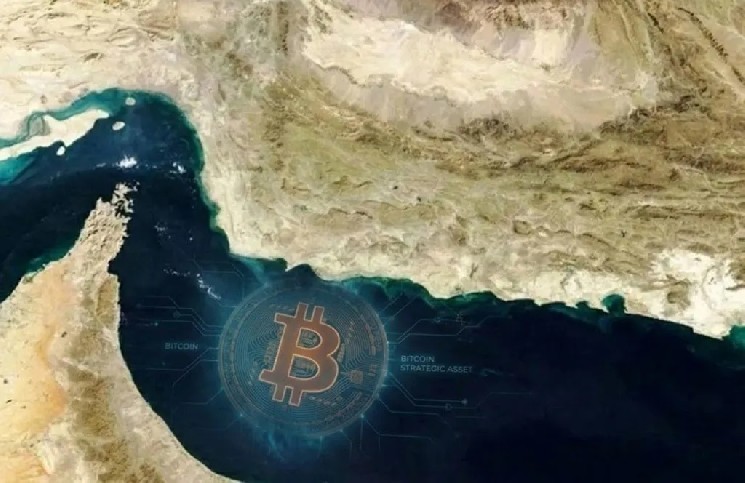

Iran is moving to require shipping companies to pay tolls for oil tankers in cryptocurrency through the Strait of Hormuz, as it seeks to retain control over passage through the key waterway during the two-week ceasefire.
Hamid Hosseini, spokesperson for Iran’s Oil, Gas and Petrochemical Products Exporters’ Union, told the Financial Times that Tehran intends to collect fees from any tanker passing and assess each ship.
“Iran needs to monitor what goes in and out of the strait to ensure these two weeks aren’t used for transferring weapons,” said Hosseini, whose industry association works closely with the state.
“Everything can pass through, but the procedure will take time for each vessel, and Iran is not in a rush,” he added.
According to Hosseini’s remarks, there is a fear that Iran will require any tankers to use the northerly route close to its coastline, as it raises questions about whether Western or Gulf state-linked vessels will be willing to risk transit.
Every tanker passing through the chokehold will be required to email authorities about its cargo, after which Iran will inform them of the toll to be paid in digital currencies.
$1 Per Barrel, Paid in Bitcoin
The toll is now set at $1 per barrel of oil, which could reach up to $2 million for a fully laden supertanker. However, empty tankers will pass freely.
“Once the email arrives and Iran completes its assessment, vessels are given a few seconds to pay in bitcoin, ensuring they can’t be traced or confiscated due to sanctions,” Hosseini added.
The crypto payment will last only seconds, ensuring transactions cannot be traced or seized under international sanctions, according to Iran.
However, according to a Bloomberg report, the Strait of Hormuz remains largely blocked, as shipowners are unsure whether they can safely transit the vital waterway.